
 May 22, 2026
The Art of Negativity
Our creative team’s latest look at advertising was super negative—and we’d call that a success.
We explored the ways in which people can be more inspired to act after tension, contrast, or discomfort. In other words: positivity feels stronger after contrast.
Our favorite ad examples used negativity or contradiction not to be cynical, but to make the payoff feel more honest. When a brand forces optimism, audiences can feel the cringe. However, this work acknowledges something real before resolving it. That’s what makes the positivity land.
Diesel’s Provocation and Relatability
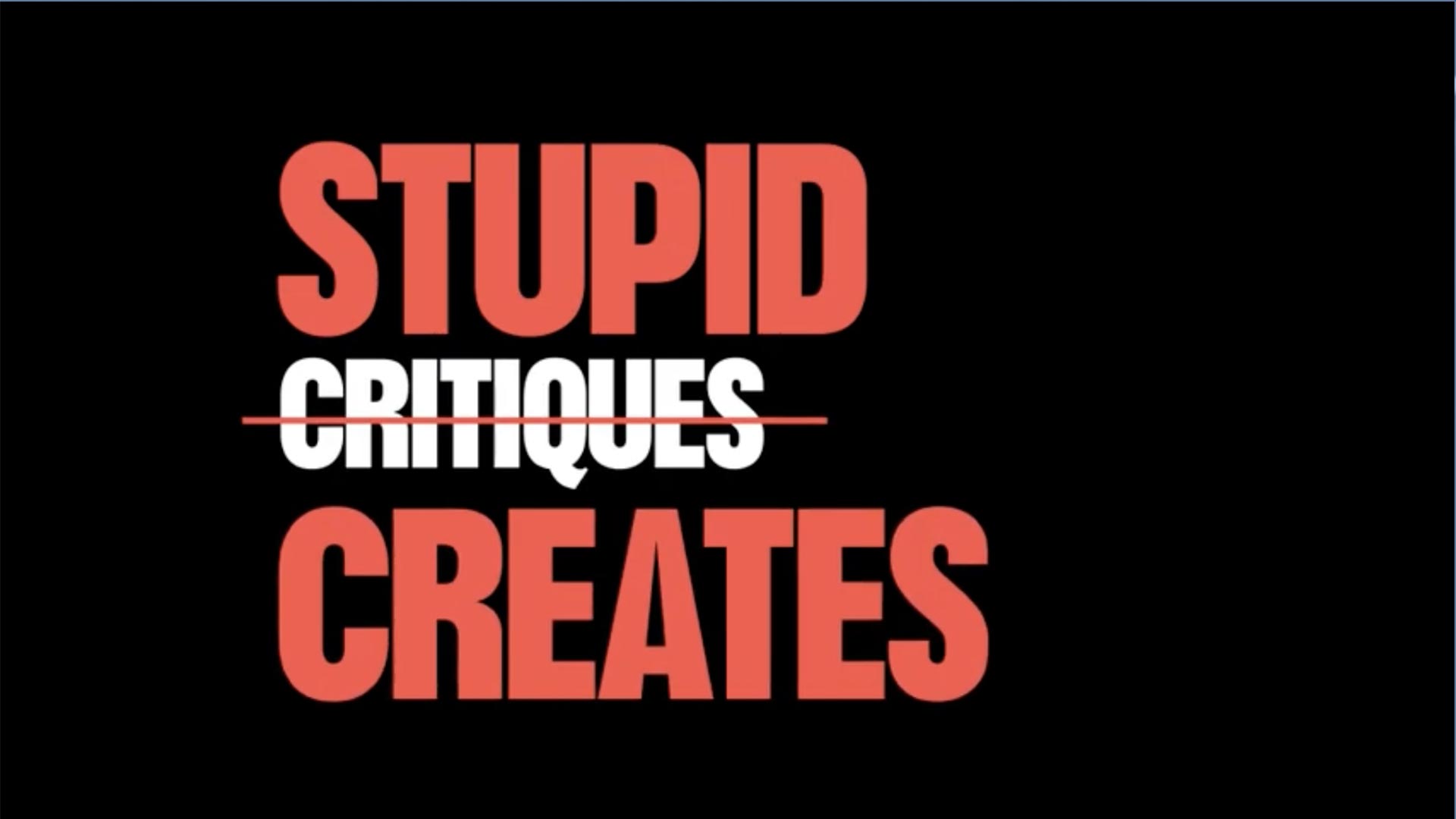
Instead of positioning “smart” as aspirational, Diesel’s Be Stupid campaign reframed “stupid” as spontaneous, fearless, and willing to actually live life.
Their key campaign line creates tension immediately; it feels more provocative than the true takeaway (choose adventure, or be bold), but it also feels emotionally true—and much more relatable.
“Smart has plans. Stupid has stories.”
Reverse Psychology from TurboTax + Progressive
Acknowledging annoyance or discomfort grounds a message in truth.
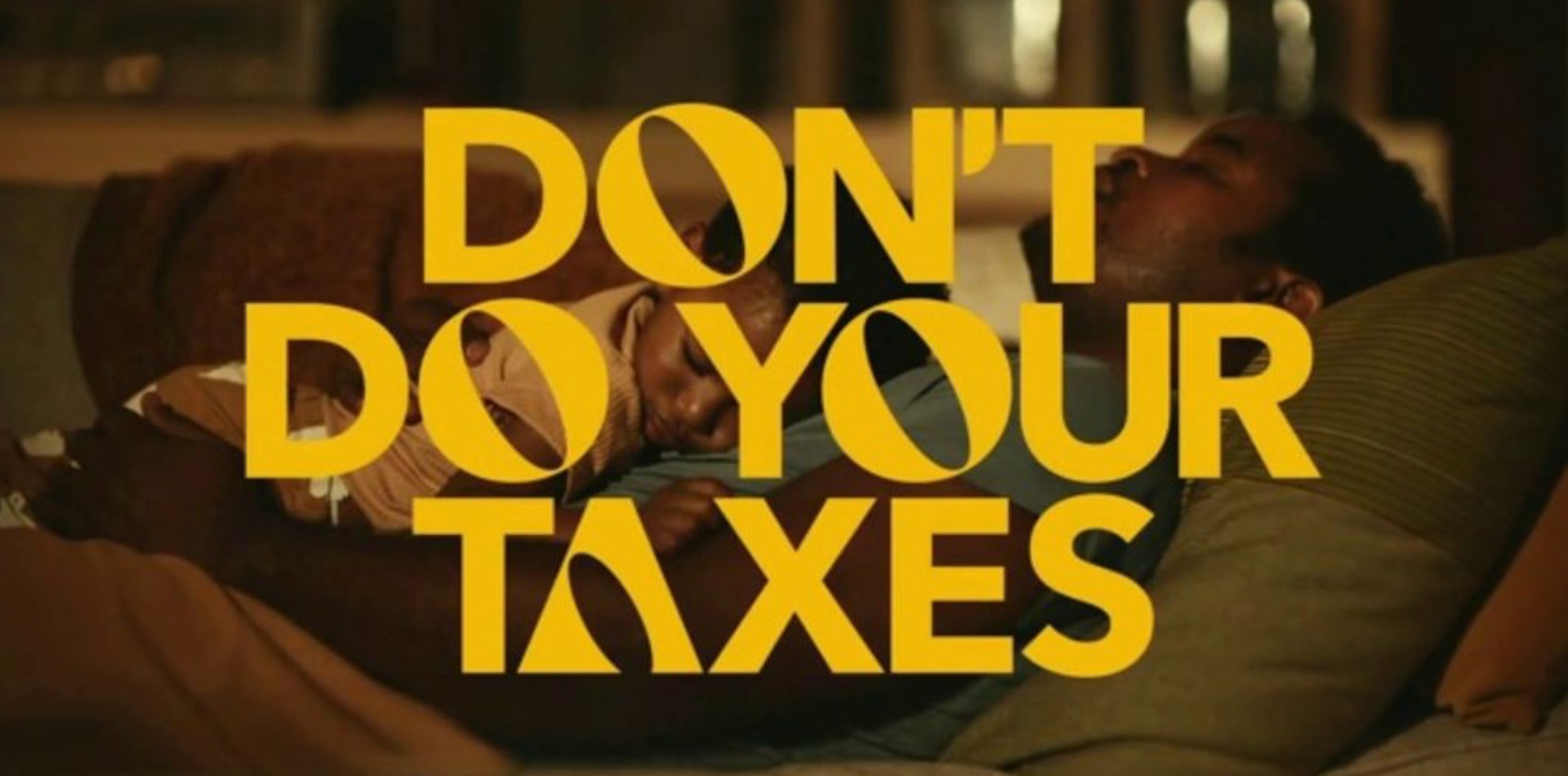
TurboTax’s Don’t Do Your Taxes campaign doesn’t try to make taxes seem less tedious—it gives you a concrete solution (IE, a way to continue avoiding the task by providing a dedicated expert to free up your time).
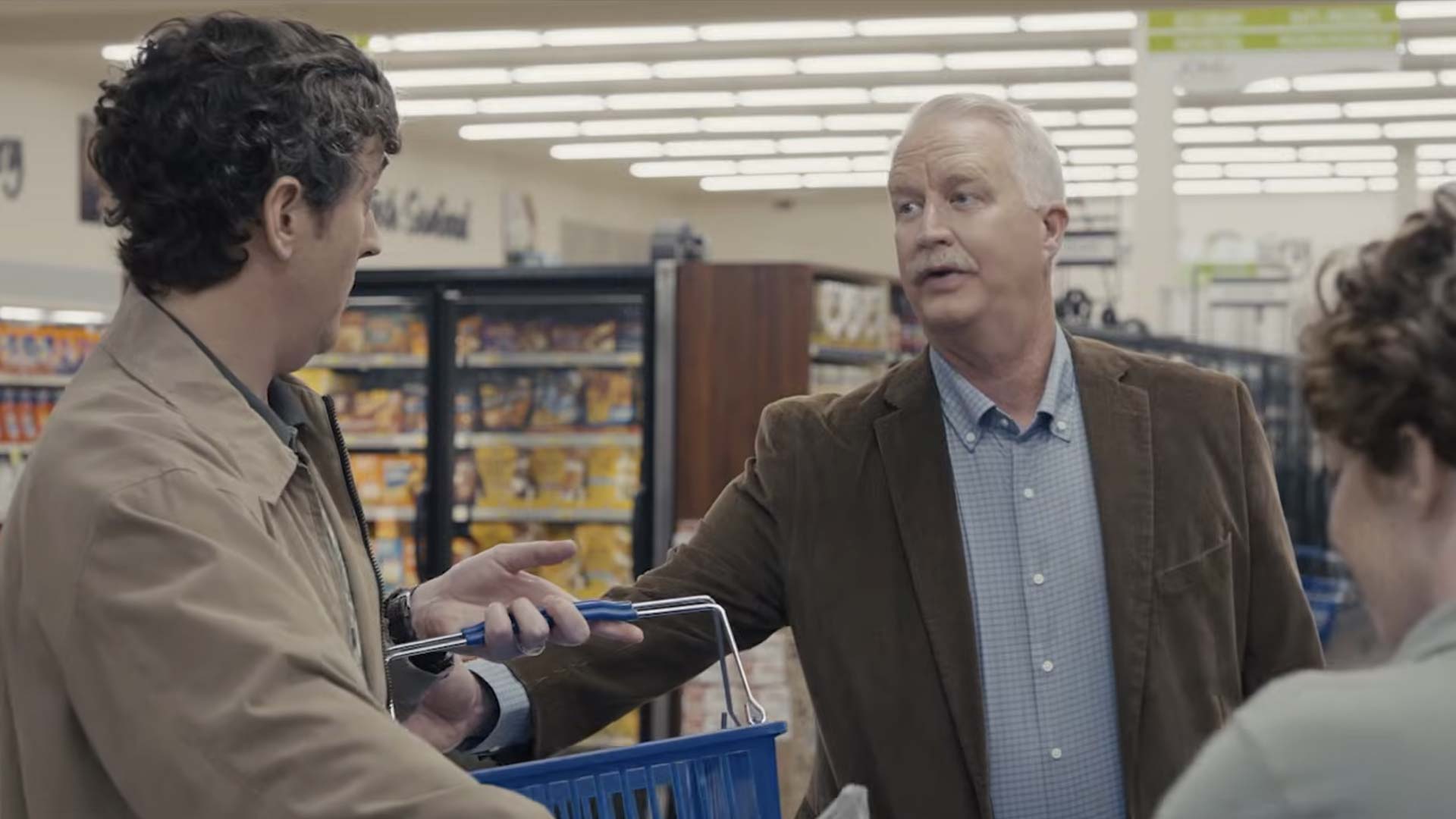
Progressive calls out behaviors we see in ourselves with Becoming Your Parents, tapping into a universal fear of doing things inefficiently or becoming out-of-touch.
In both cases, the negativity becomes the hook, but the emotional outcome is still relief, humor, or recognition.

How Netflix Makes Fun of its Platform
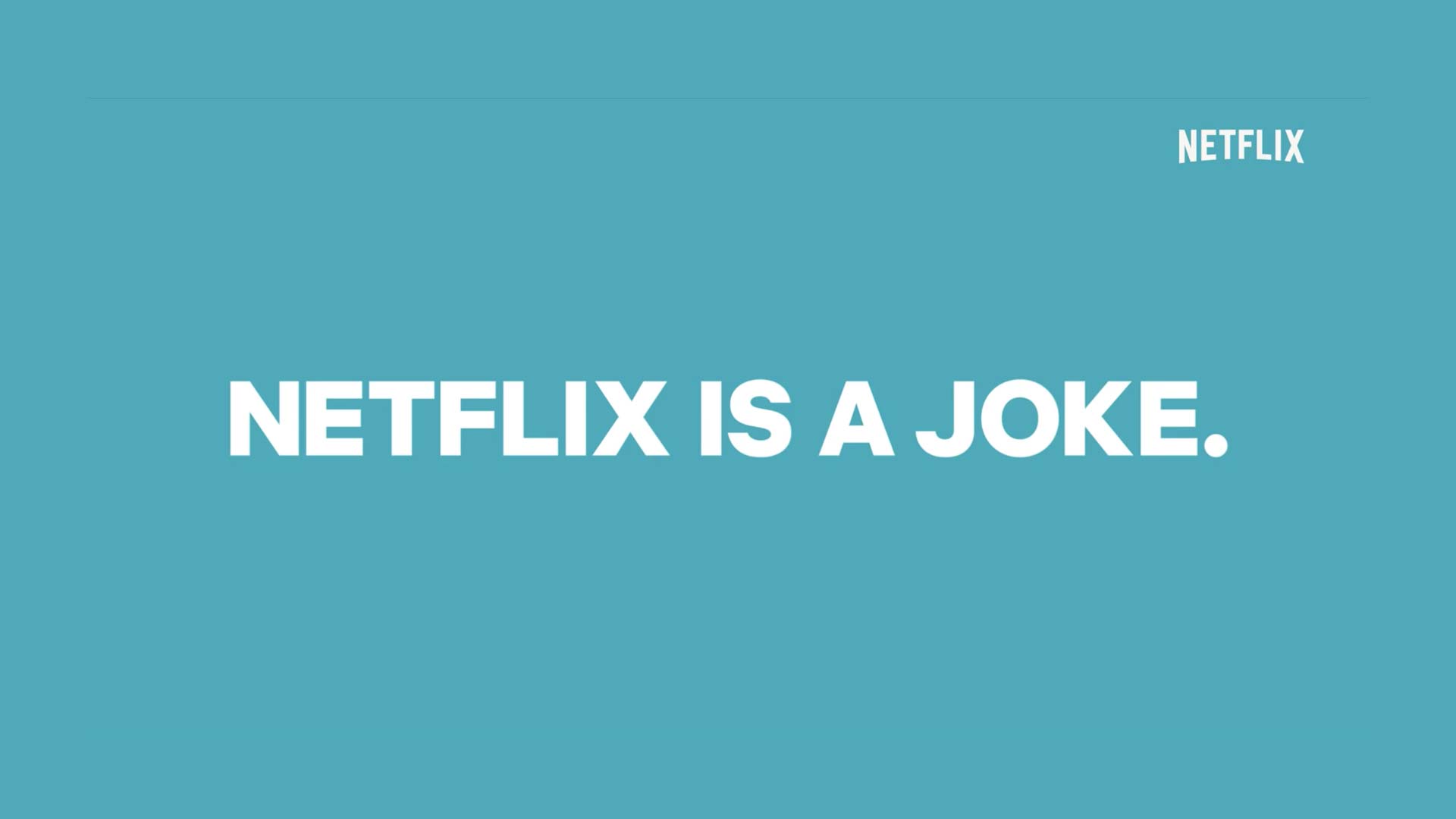
Self-deprecation as a tool for endearment isn’t new—but Netflix makes it feel fresh with Netflix is a Joke. The positioning embraces the critique that Netflix could be a joke: a slightly antagonistic and deeply unserious take (no pun intended).
Instead of protecting the brand from criticism or awkwardness, this position absorbs it and turns it into personality and creates endless possibilities for internet series and future campaigns.
So, What’s the Point?
We walked away from our creative session with three key themes:
- Relatability: Acknowledge something the audience already feels
- Respect: Don’t underestimate the audience’s intelligence
- Success:[VW1] Let tension make the resolution feel earned
Sometimes the strongest emotional connection comes from saying the uncomfortable part out loud first. Resisting the urge to over-polish comes next. And usually, that makes the positive message hit harder in the end.
TL/DR: We’re not afraid to be negative—that just means we’re telling the truth.
MORE THOUGHTS
Just Stop for a Minute!
May 30, 2026