 May 30, 2026
Just Stop for a Minute!
Advertising has always been about getting noticed.
Content marketing asks a slightly different question: once you have someone’s attention, what are you giving them?
Increasingly, the brands standing out aren’t just making it into people’s feeds, screens, and algorithms because they’re lucky. They’re creating things audiences actually want to spend time with–because attention itself has become more selective.
Not all successful content marketing is loud, funny, or built for virality. Some of it works because it changes our perspective.
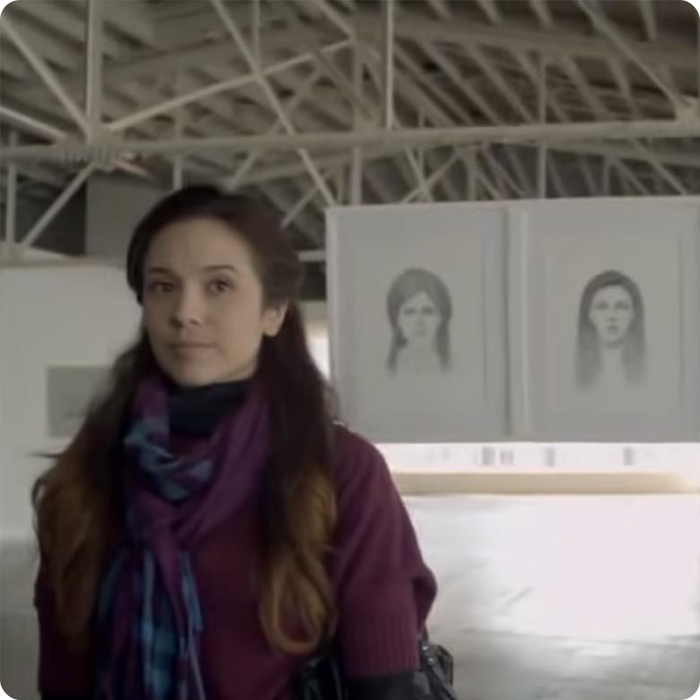
For example, Dove’s Real Beauty Sketches connected with audiences on a deeper personal level and challenged self-perception, revealing real emotional reactions and creating conversation around the juxtaposition of how others see us versus what we see when we look in the mirror.
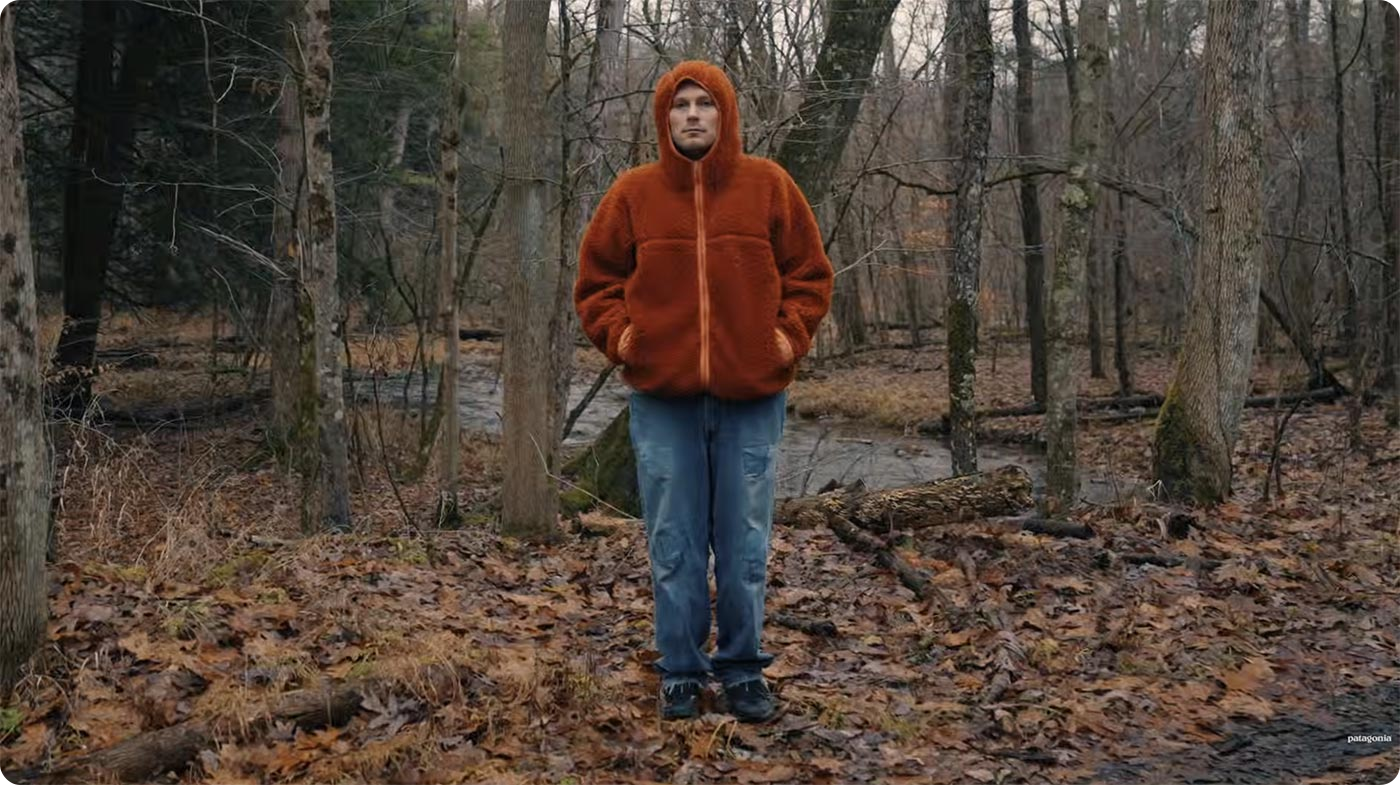
The Patagonia Stories series uses athlete experiences and environmental narratives to reinforce what the brand stands for without direct sales moments.
The common thread? These examples provide value first—insight, entertainment, education, emotion—and let the brand connection follow.
Blendtec’s “Will It Blend?” series uses a demonstrative approach to connection: internet chaos powered by a household appliance. All the while, the product benefits stayed crystal clear—and the audience was rewarded with laughs while learning about them.
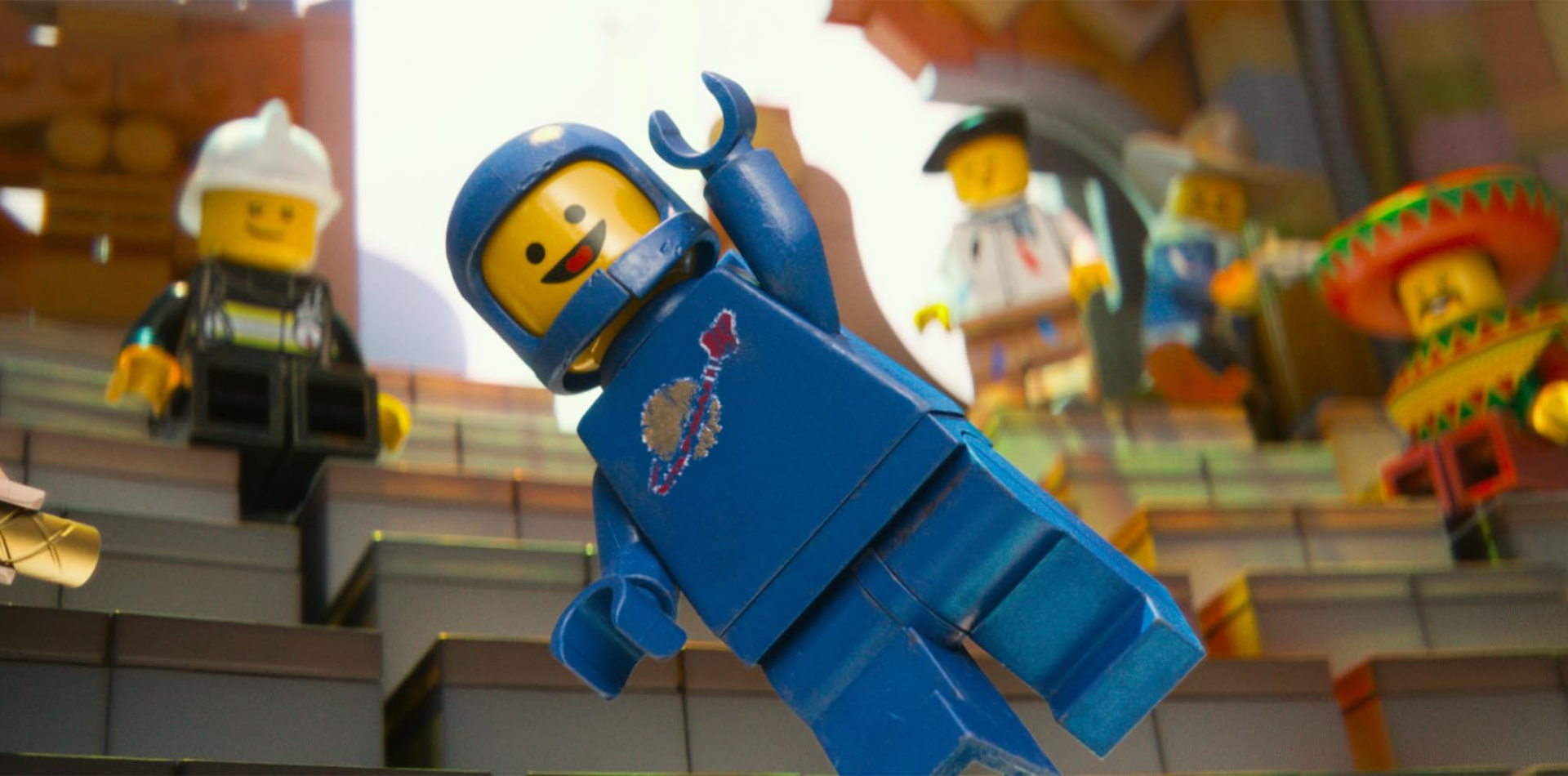
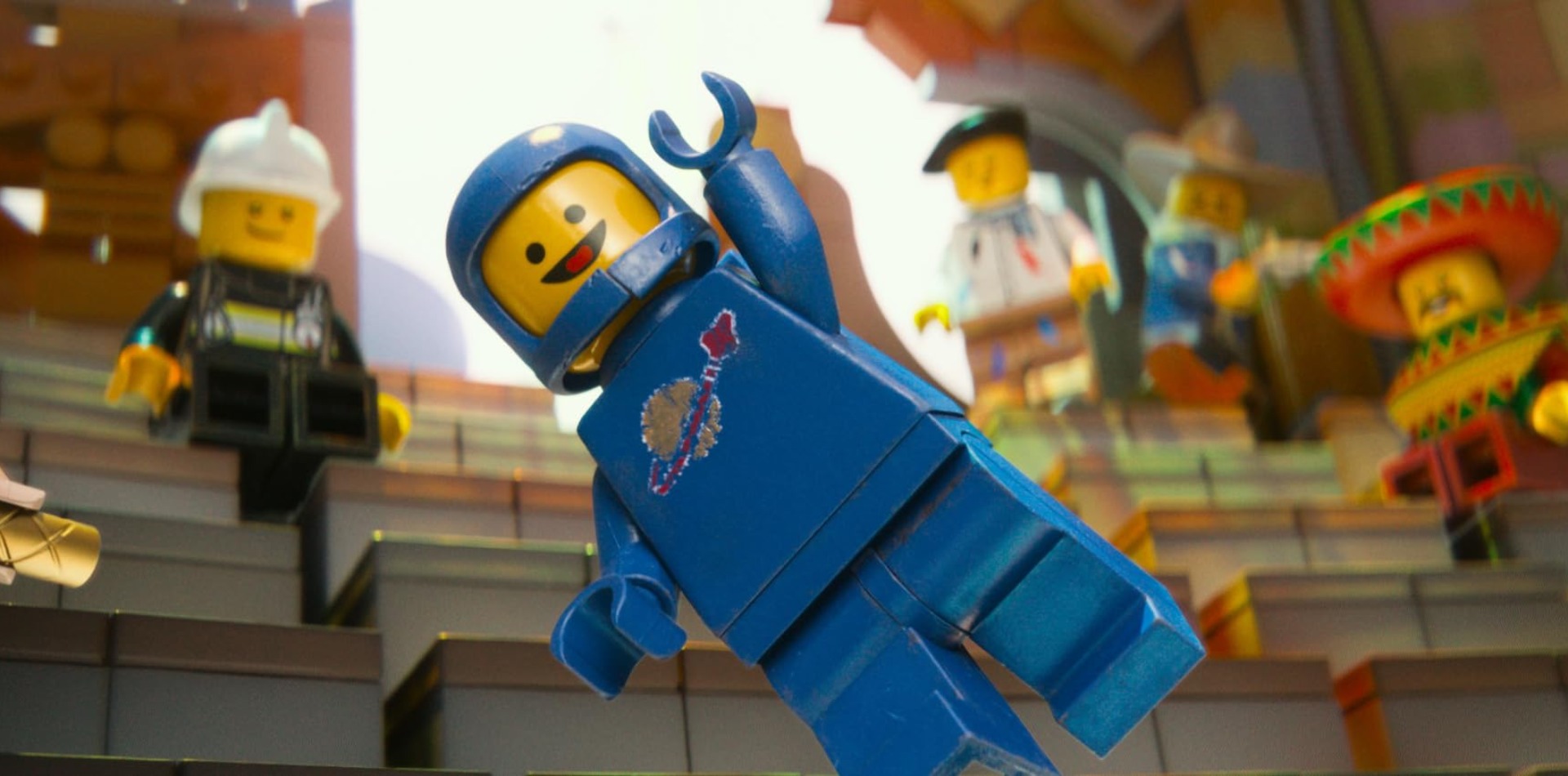
LEGO® operates in a similar space, just on a much larger scale. Perhaps one of the greatest content marketing strategies of all time, The LEGO® Movie, gave way to YouTube creators, community builds, tutorials, and even wider-spread fandom to build something that extends far beyond the toy aisle: a brand became its own franchise.

Much like LEGO taught us, some of today’s strongest content marketing succeeds because it understands where it lives.
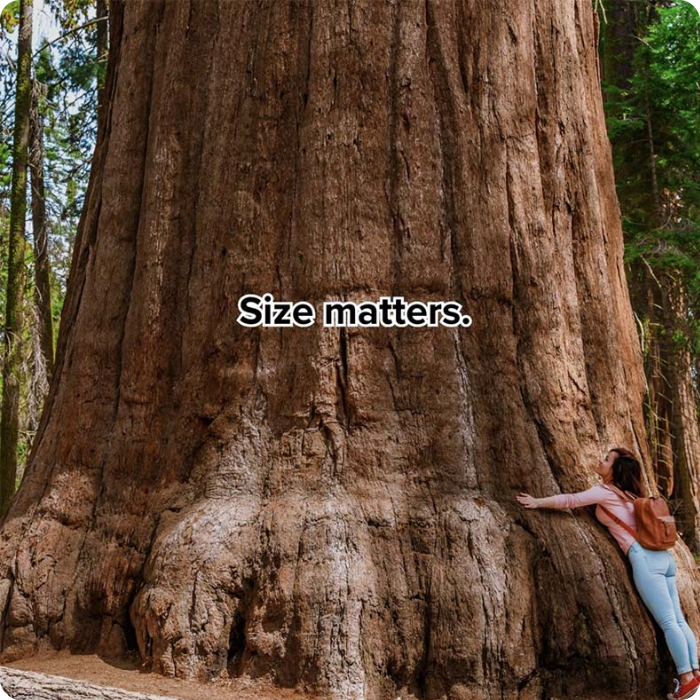
National Parks TikTok content doesn’t feel like a traditional campaign translated onto social media. It feels native to the platform: educational, unexpectedly funny, and weirdly calming.
The same goes for Vaseline’s #allyouneedisVaseline campaign: what started as a short ad piece turned into an international bonding moment as the brand showcased an all-too-relatable moment for communities of color: parents slathering the jelly all over their children’s faces (much to the children’s chagrin) as an act of care and love. The piece was essentially tailor-made as a hashtag trend setter.

Sometimes the difference between the content people scroll past and the content people remember is simple: one behaves like an ad interruption. The other behaves like a distraction, something people would have watched anyway.
In a landscape full of competing messages, reach still matters. Awareness still matters. Great advertising still matters.
But brands have an opportunity–and a growing need–to ask questions beyond How do we gain attention?
A more interesting question might be:
What do we create to deserve it?
MORE THOUGHTS
The Art of Negativity
May 22, 2026