
 July 16, 2026
Making the Most of It
Not all impressions are created equal.
A colorful ad that catches your eye on the subway before you exit. A banner that loads as you’re waiting for your web content to populate. Hearing the first five seconds of a YouTube ad before you have the option to skip.
Technically? All impressions.
In actuality? Moments of visibility that may–or may not–have inspired any further investigation.
We’ve been more and more attracted to campaigns that use format, interaction, and curiosity to deliver something more impressionable. Because a moment can be just a fleeting moment. Or, something valuable and memorable.
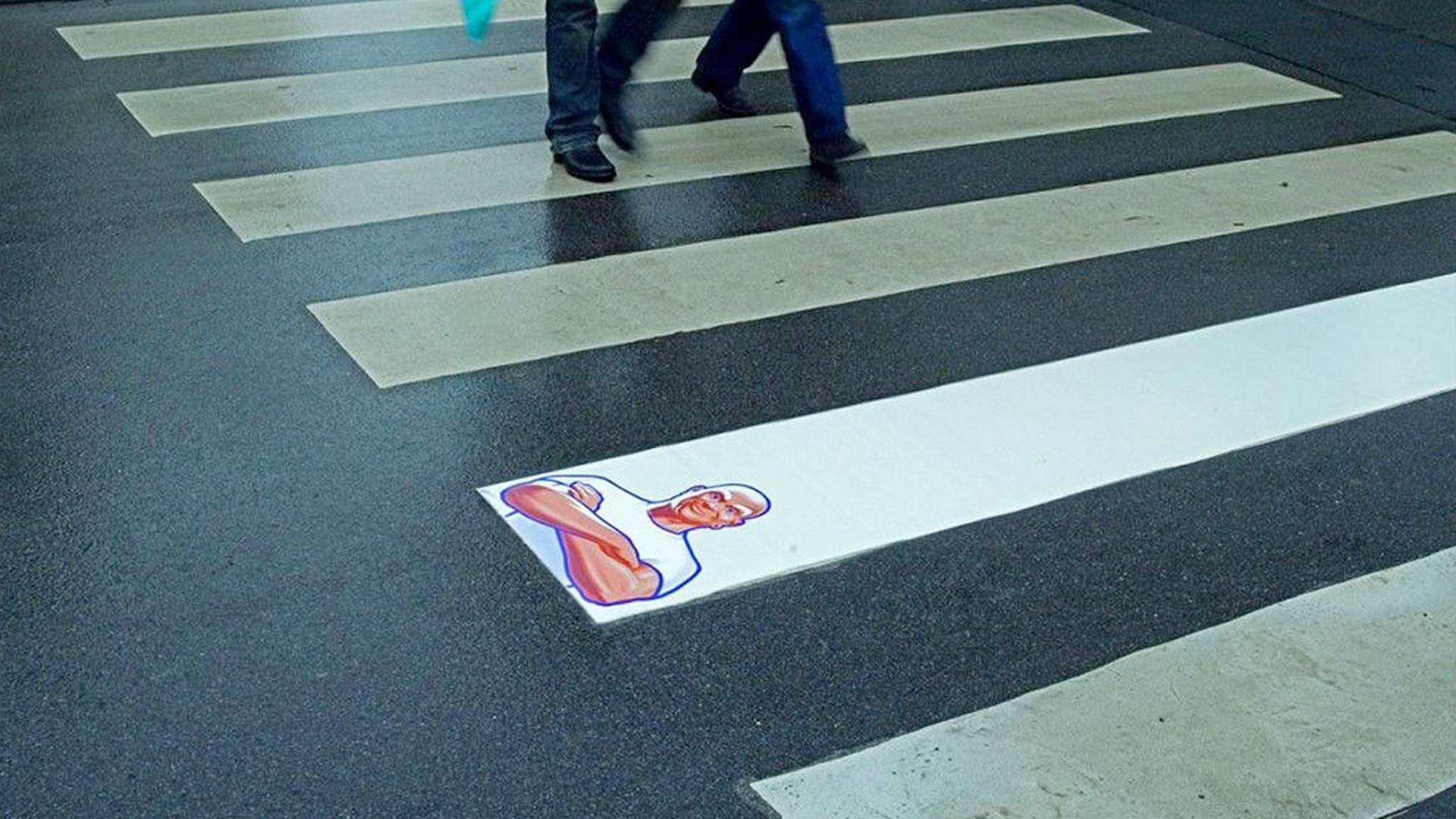
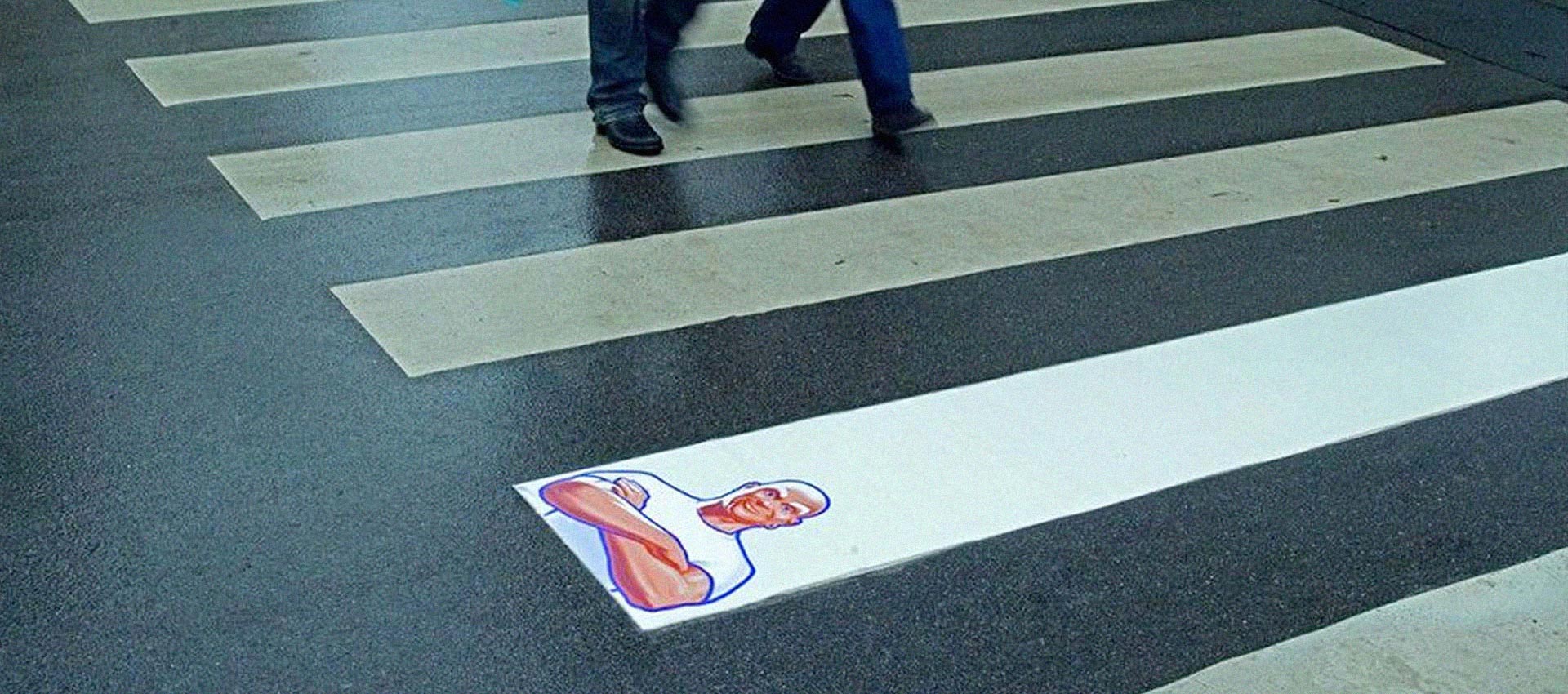
Mr. Clean’s guerrilla crosswalk installation demonstrated how a simple real-world execution can make a message feel impossible to ignore. By painting one section of a crosswalk bright white, the brand made it appear that Mr. Clean had scrubbed it spotless. No technology, no explanation: just an ad perfectly suited to its surroundings.
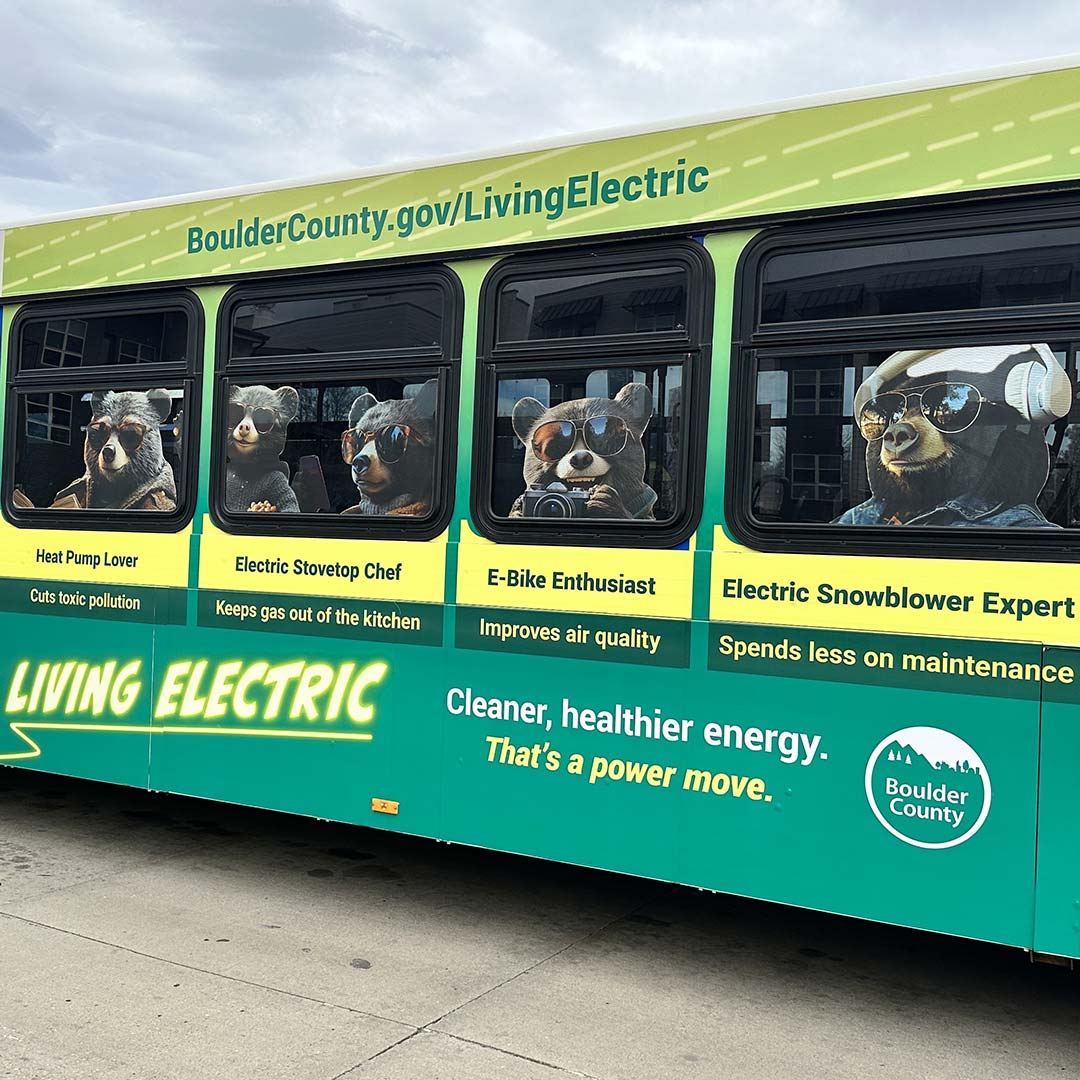
Our Boulder County Electrification campaign also played to its environment by collapsing the distance between our message and the world around it. The immersive placements transformed everyday commuter spaces into a new world: a fossil-free world in which bears rode buses and were trendsetters, and that trend was relying on clean energy for a better world. Buswraps with bears hanging out of the windows and vestibule ads made it so that the creative traveled with you – literally. People spent time with this campaign and learned about the benefits of living electric, and impressions turned into commuter entertainment.
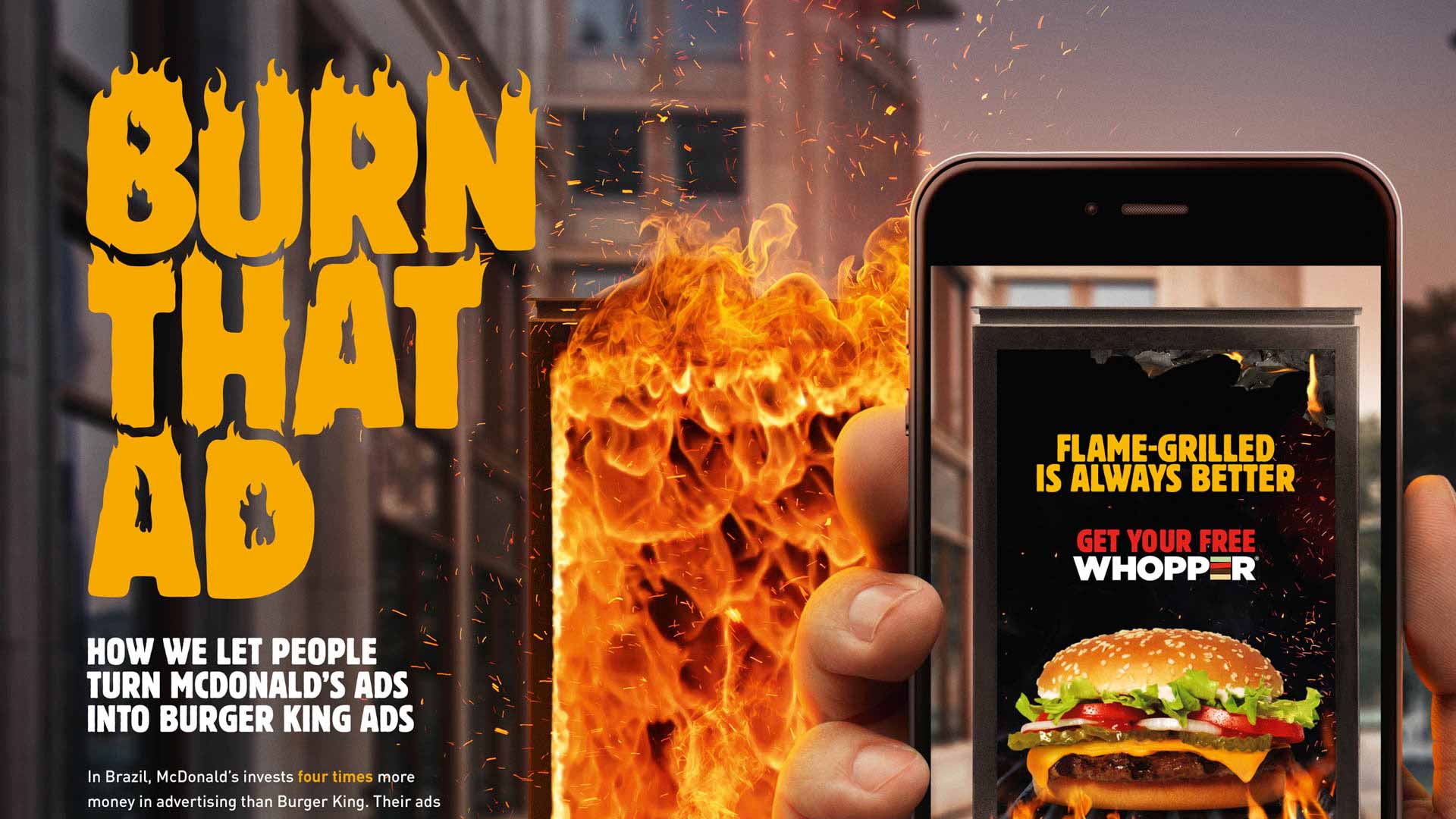
Some ads change the role of the viewer rather than altering the environment through immersive placements. Burger King’s Burn That Ad campaign turned competitive advertising into an interactive game. Using augmented reality, users could point their phones at Burger King competitor ads and virtually set them on fire, revealing a free Whopper offer underneath. Rewarding participation while turning rival media placements into unexpected touchpoints turned an impression into something impressive (no pun intended).
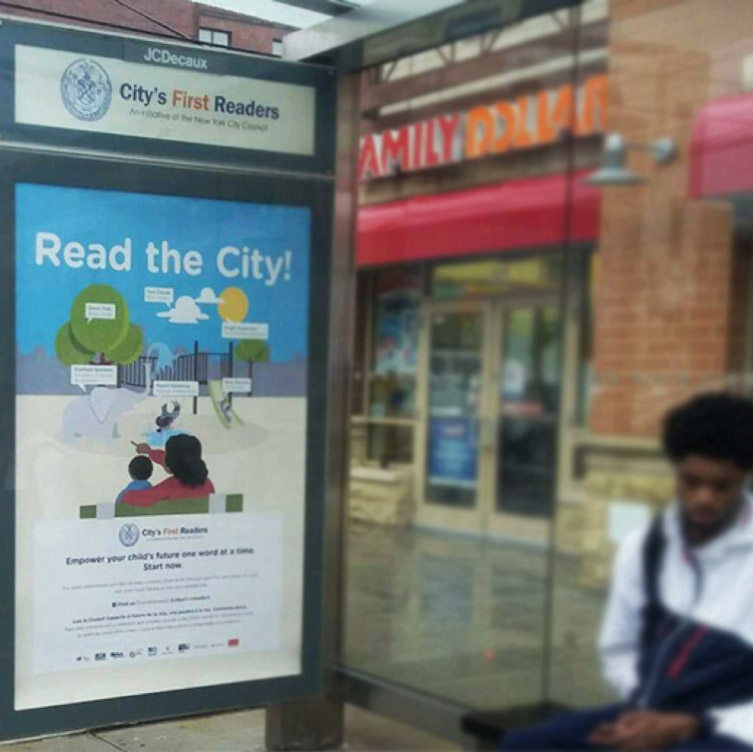
Read the City! Took a more artistic and scholastic approach, encouraging parents of young children in New York City to engage with their surroundings in an educational and nurturing way.. Our audience wasn’t simply consuming a PSA. They were exploring their city while teaching their child new vocabulary words through a strategically placed advertising placement. Impressions gave way to tiny dopamine hits–and it’s much easier to remember doing something entertaining than reading an ad that was interesting.
The common thread isn’t a specific tactic, platform, or placement. It’s the willingness to ask for a little more.
Could an impression teach something? Invite curiosity? Create a moment in which people want to share? Could it become part of someone’s day rather than another interruption within it?
The strongest examples often answer yes.
Reach still matters. Visibility still matters. Great creative still matters.
But when every brand has access to the same spaces, formats, and audiences, making an impression is only part of the challenge.